



Cafe · JLT, Dubai
Peachbrown Cafe
AED 4,117
loyalty revenue recorded
143
new visits tracked
113
repeat visits tracked
1 to 30 April 2025, single location
Use case
Your punch card already does the important thing: it gives customers a reason to come back. Moving it into Apple Wallet or Google Wallet keeps the mechanic and changes the delivery. Here is exactly what stays the same, what changes, and what you give up.
We set it up. Your team runs it.
How it works
Loyal-T Cards prepares the digital card from your existing program and onboards your team before launch.
01
Your logo, colours, the number of stamps and the reward. The digital card is configured to match, or improved with you if you want to change it.
02
Customers scan it and the branded stamp card is added to Apple Wallet or Google Wallet. Existing paper progress can be recorded on the new card if you choose to honour it.
03
At each eligible visit, staff scan the card with the Loyal-T Cards scanner. The card updates on the customer's phone.
04
Keep paper cards available for a week or two while customers move across. Most counters find the paper stops being asked for on its own.
They stop carrying a card and start carrying a pass. Joining is one QR scan; there is no app to install and no account to create. At each visit they open the wallet, or simply hold the phone up, and staff scan it. They can see their stamps at any time, and, where you configure it, receive a notification when the reward is ready.
The stamp becomes a scan. Instead of an ink pad, staff use the Loyal-T Cards scanner on a phone or tablet to record the visit and, when the card is full, to redeem the reward. The same discipline applies: no scan, no stamp. Nothing is recorded from a sale automatically, and nothing changes in your POS.
Onboarding is part of the plan. Your team is shown the scanner, the redemption step and the dashboard before launch.
You can see it. The dashboard records new visits, repeat visits, stamps issued and rewards redeemed, which a paper card cannot tell you. You can change the reward or the design without reprinting. And you gain a channel: wallet notifications, where configured, to cardholders who have gone quiet.
What moves, what stays
A short list of what stays and what moves.
Paper punch cards need no compatible phone, are instantly familiar and cost almost nothing per card. For a very simple business, or one whose customers do not carry smartphones, they may be enough. A digital card is easier for customers who carry a phone, supports updates, communications and tracking, and does not rely on a physical card, but it is a subscription rather than a print run, and it asks your team to scan rather than stamp.
Loyalty formats
Every format is a configuration of the same annual plan. Loyal-T Cards configures the initial structure with you at setup.
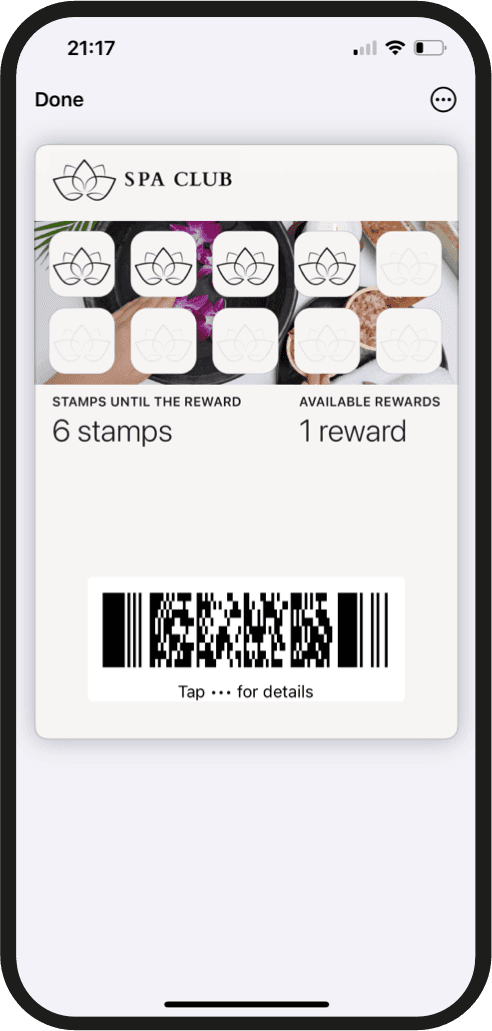
The direct replacement: one stamp per eligible visit, a full card earns the reward.
How the stamp card works →
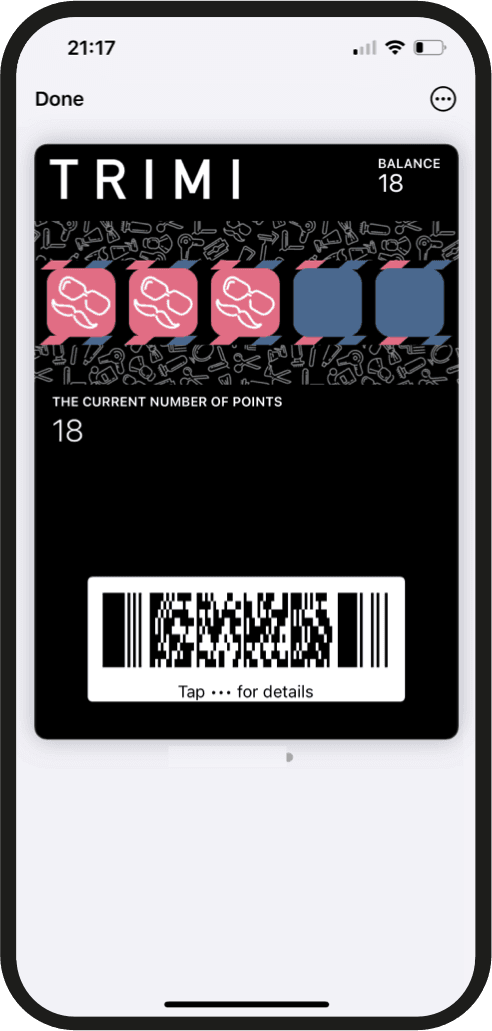
If your punch card really sells a package of sessions, a multipass counts them down instead.
How the multipass card works →
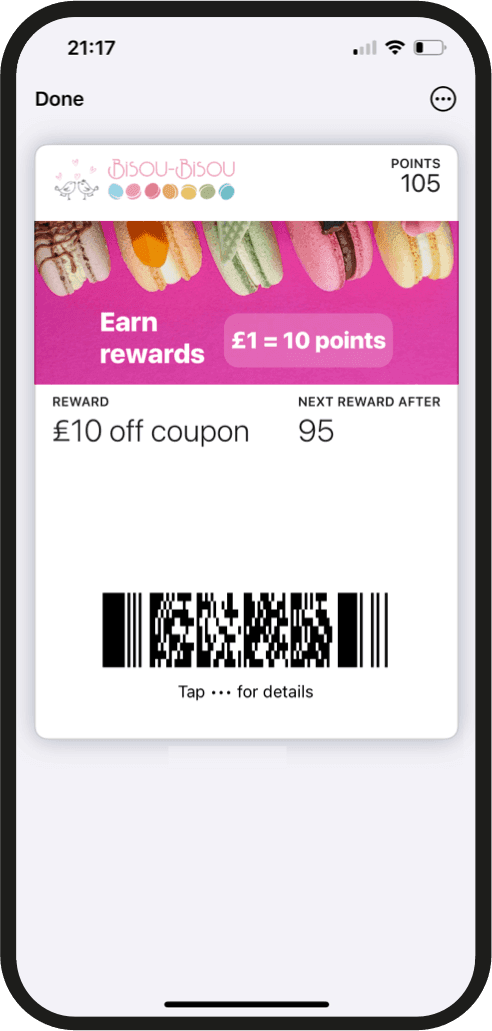
If you want to reward spend rather than visits, points replace stamps.
How the rewards card works →
Industries
Real dashboard data
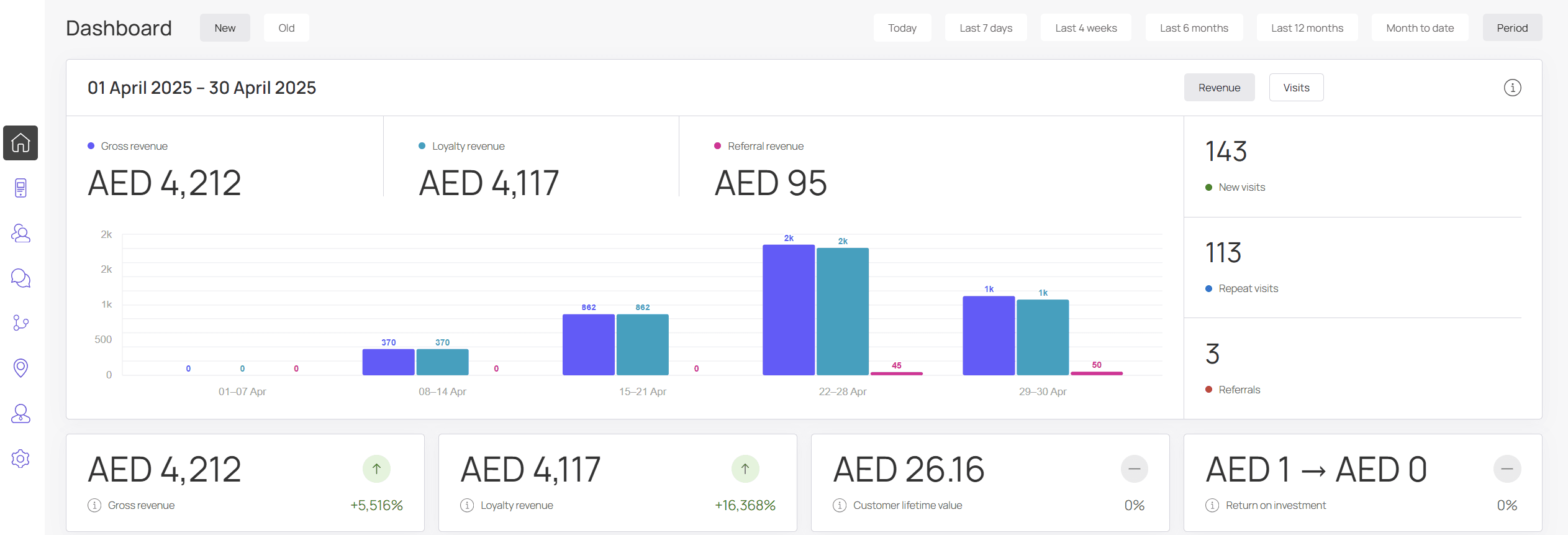
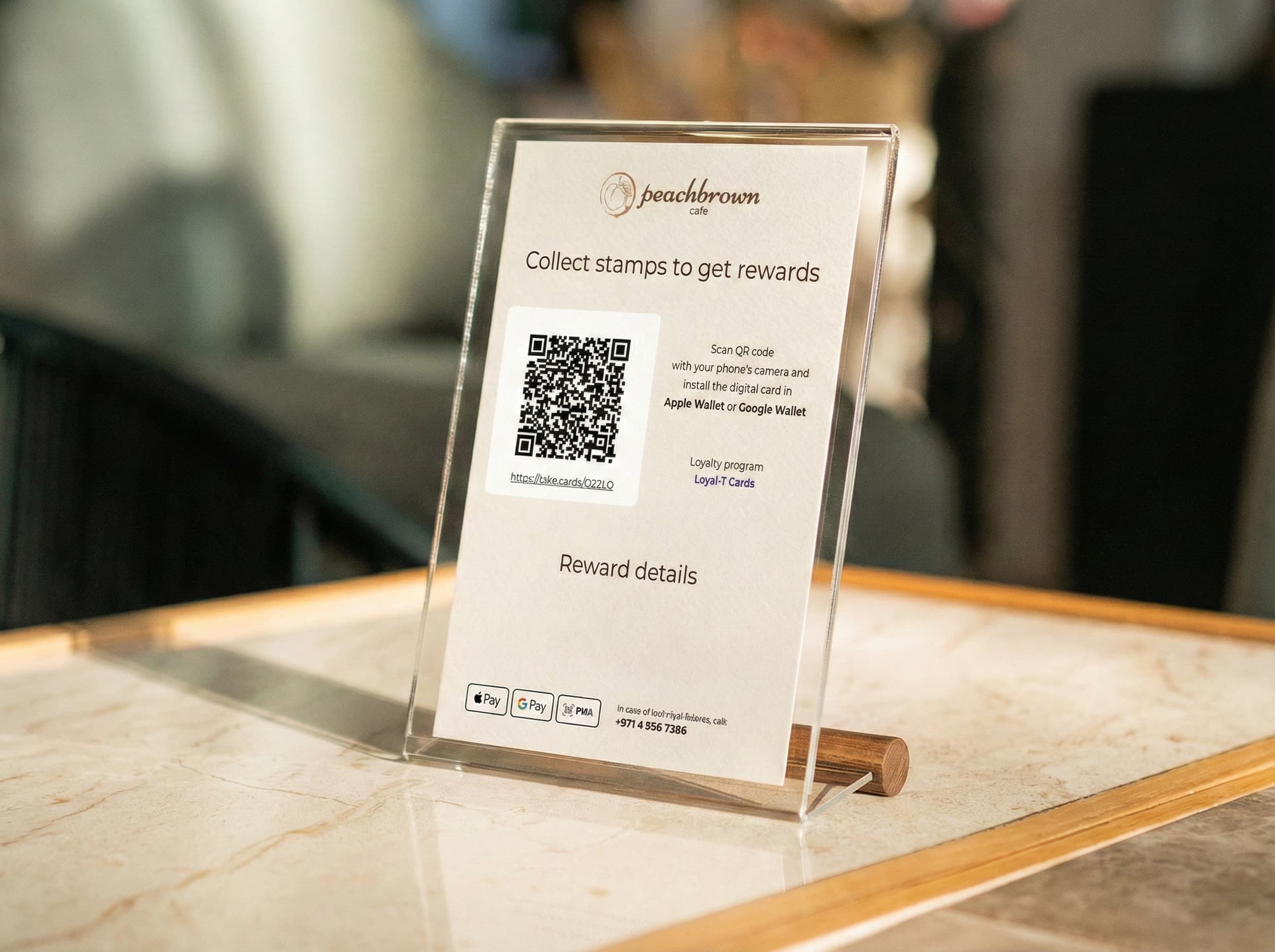
Peachbrown Cafe in JLT, Dubai, launched a branded Loyal-T Cards stamp card with a QR stand on the counter. Its April 2025 dashboard recorded 143 new visits, 113 repeat visits and AED 4,117 in loyalty revenue.
Cafe · JLT, Dubai
AED 4,117
loyalty revenue recorded
143
new visits tracked
113
repeat visits tracked
1 to 30 April 2025, single location
Peachbrown's figures are Peachbrown's, reported as recorded for a single month at a single location. They show the mechanism working at a real counter, not a forecast for yours.
Actual Loyal-T Cards customer dashboard data. Results vary. Figures describe activity recorded through the loyalty program and do not establish that Loyal-T Cards caused every visit or revenue amount.
More than one location? The standard Loyal-T Cards Annual plan includes one business location. Multi-location setups are available separately by agreement. If your paper card is accepted at more than one branch today, tell us; a shared card across locations depends on the multi-location agreement.
Contact us about multiple locationsLoyal-T Cards pricing
US$660/year
Loyal-T Cards Annual: one business location, annual billing, platform setup, branded Apple Wallet and Google Wallet card, initial loyalty structure, QR materials and team onboarding included.
Founding 20First 20 businesses: US$330 for the first year, then US$660/year from year two.
Payment may be shown in your local currency at checkout.
Keep reading
Loyal-T Cards is a product of Affluenss Marketing Agency, based in Dubai, and is available to businesses internationally.
Use case
The pricing page shows the whole annual plan and what it includes. If you would rather ask a person first, WhatsApp us.
First 20 businesses: US$330 for the first year, then US$660/year. Payment may be shown in your local currency at checkout.